
Reasons Why Property Managers Rely on Commercial Pressure Washing
A property's exterior creates an immediate impression for tenants, customers, visitors, and prospective occupants. Dirt, algae, mildew, and accumulated grime can make a well-maintained building appear neglected, even when its interior systems are in good condition. Regular commercial pressure washing helps property managers address visible buildup on appropriate exterior surfaces and maintain a cleaner overall appearance. Consistent exterior care can also help shared spaces feel more welcoming and presentable.
Property managers oversee a range of locations, including office buildings, retail centers, apartment communities, and industrial facilities. Each property has different surfaces, traffic patterns, and cleaning demands, so exterior maintenance should reflect how the space is used. Professional washing can address sidewalks, entry areas, loading zones, and other exposed surfaces according to their material and condition. This approach helps managers maintain a consistent standard across the property without treating every surface the same way.
Improve Safety Around Walkways and Entrances
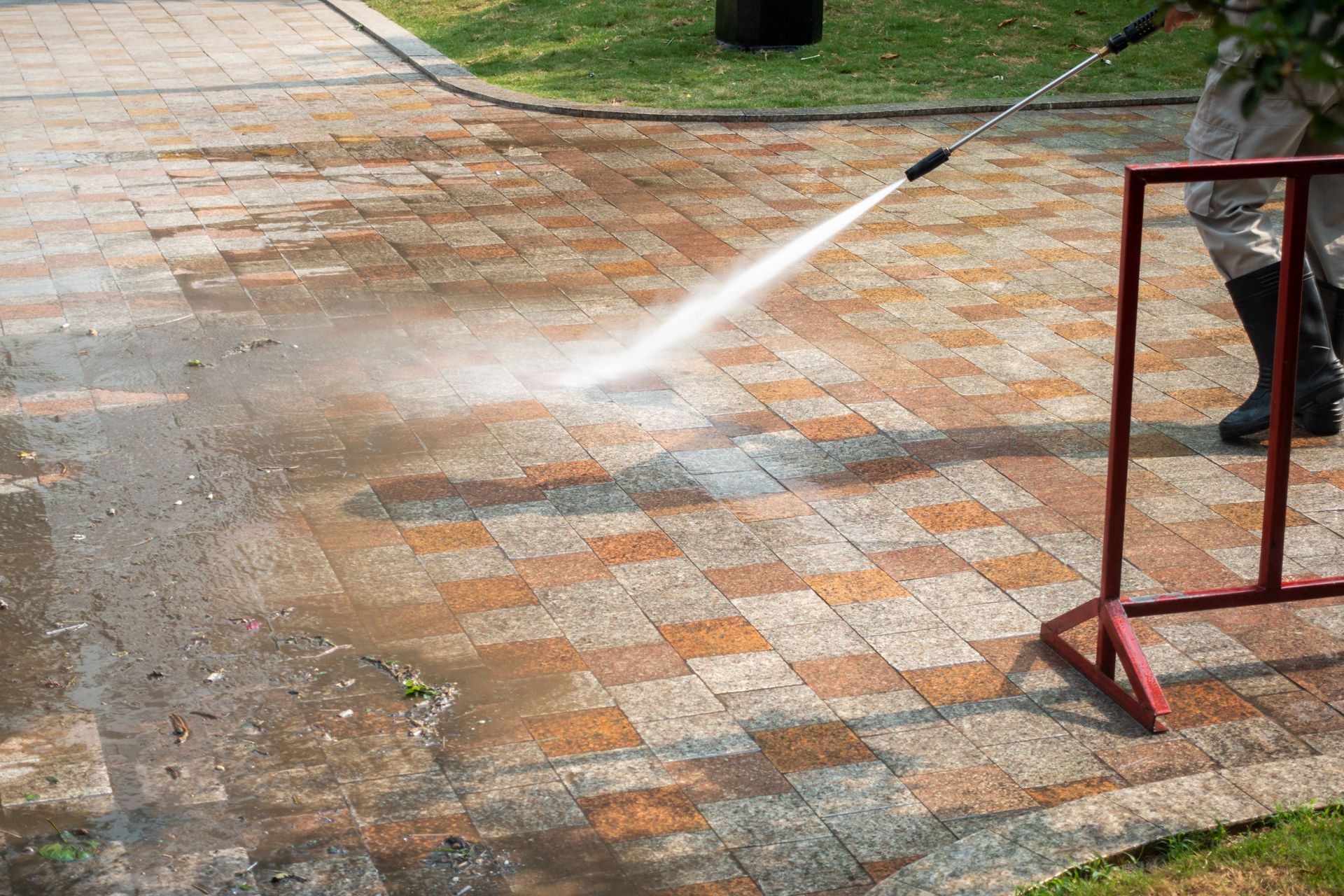
Walkways and entrances receive frequent foot traffic, making their condition an important part of property maintenance. Organic growth, grime, and certain residues can contribute to slippery conditions, particularly when surfaces are wet. Property managers may schedule professional cleaning to remove buildup from concrete paths, stairs, and other suitable areas. Cleaning does not eliminate every possible hazard, but it can be one part of a broader effort to maintain accessible and orderly common spaces.
High-traffic locations often need more frequent attention than less-used areas. Building entrances, pedestrian routes, outdoor seating spaces, and parking lot access points may collect dirt from shoes, vehicles, landscaping, and weather. A planned cleaning schedule helps property managers address these areas before visible buildup becomes extensive. They can also coordinate washing with inspections and other maintenance tasks to identify damaged pavement, drainage concerns, or surface defects that may require separate attention.
Protect Exterior Materials and Building Features
Exterior materials are exposed to changing weather, airborne debris, moisture, and pollutants. Over time, these conditions can leave stains and residue on siding, masonry, concrete, and other surfaces. Professional commercial pressure washing can help remove certain contaminants when the cleaning method is appropriate for the material. Using suitable pressure, water flow, and cleaning solutions is important because excessive force or an incompatible method may damage finishes.
Property managers are responsible for maintaining buildings while balancing immediate upkeep with long-term asset care. Routine exterior cleaning can make it easier to observe the condition of surfaces and notice changes that may otherwise be obscured by grime. For example, cleaning may reveal areas of peeling paint, cracked sealant, or deteriorating masonry that need additional evaluation. Washing itself does not repair these issues, but it can support a more informed maintenance process.
Support Tenant Satisfaction and Daily Operations
Clean common areas contribute to the overall experience of people who live, work, shop, or visit a property. Tenants may notice dirty entrances, stained walkways, or residue around shared outdoor spaces, especially when those areas are used every day. Property managers can include exterior washing in their maintenance plans to help keep frequently used spaces presentable. Visible attention to shared areas can also communicate that the property is being actively maintained.
Cleaning schedules should account for the routines of tenants and visitors. Washing during busy periods may create temporary access issues, noise, or wet surfaces that interfere with normal activity. Managers can coordinate service around building hours, tenant notifications, and the layout of the property to reduce disruption. Clear scheduling also gives occupants advance notice when a walkway, parking area, or entrance may be temporarily unavailable.
Address Stains Across Parking Areas
Parking lots and garages collect vehicle-related residue, tire marks, dust, litter, and other contaminants. These surfaces can be especially challenging to maintain because they serve a steady flow of cars and pedestrians. Professional cleaning can help address suitable areas, including parking stalls, drive lanes, curbs, and designated pedestrian routes. Property managers should consider drainage and runoff requirements when planning this work, particularly where oil or other contaminants may be present.
Parking areas also influence how visitors experience a commercial property. A clean, orderly lot can make it easier to identify entrances, walk safely between vehicles, and navigate shared spaces. Managers may prioritize areas near building entrances, accessible parking spaces, loading zones, and customer-facing storefronts. Coordinating washing with parking restrictions and tenant schedules helps limit disruption while ensuring the selected areas receive attention.
Prepare Properties for Seasonal Changes
Seasonal weather can affect exterior surfaces in different ways. Spring may leave behind pollen, dirt, and residue from winter conditions, while summer brings increased outdoor use and more visible foot traffic. Autumn can add leaves and organic debris, and winter may introduce salt or other materials used to manage ice. Property managers can plan exterior cleaning around these seasonal patterns rather than relying only on occasional, reactive service.
The timing and method of cleaning should reflect local conditions and the property's materials. Some surfaces may need attention after winter, while others may benefit from cleaning before a busy outdoor season or a scheduled property event. Managers should also consider temperatures, drying time, drainage, and the possibility of freezing conditions. A seasonal plan helps coordinate cleaning with landscaping, inspections, repairs, and other recurring maintenance responsibilities.
Coordinate Maintenance Across Multiple Properties
Property management companies may oversee several buildings or locations with different layouts and maintenance needs. Keeping track of each site's exterior condition can become complicated when service is arranged only after a problem becomes noticeable. A planned
commercial pressure washing schedule allows managers to identify priorities, group compatible work, and coordinate service across locations. This can make exterior cleaning easier to include in regular property maintenance procedures.
Documentation can further support consistency. Managers may record which areas were cleaned, when service occurred, and whether any surface concerns were observed during the work. These records can help staff plan future visits and communicate with owners, tenants, and maintenance vendors. A consistent process also makes it easier to compare the condition of similar properties and determine where cleaning frequency may need adjustment.
Choose Service Based on Surface and Site Needs
Not every exterior surface can be cleaned with the same equipment or pressure level. Concrete, brick, painted siding, wood, and delicate finishes may require different techniques and cleaning products. A professional provider can assess the surface, the type of buildup, nearby landscaping, and site conditions before selecting a method. This evaluation helps reduce the risk of damage and supports more appropriate cleaning results.
Property managers should also discuss access, water availability, drainage, sensitive areas, and any operational restrictions before service begins. These details can affect how work is scheduled and which areas can be cleaned during a visit. According to Jobber, more than 28,000 pressure washing businesses operate in the United States, reflecting the size of the service industry available to property owners and managers. When selecting a provider, managers can review the company's experience with comparable properties, communication practices, and ability to coordinate service around site requirements.
Des Moines Mobile Wash can help property managers plan exterior cleaning around the needs of their buildings and the people who use them. Our team can discuss the surfaces requiring attention, site access, scheduling considerations, and the property's maintenance goals. Whether you oversee a single commercial location or multiple properties, we can help coordinate a cleaning approach that fits your site. Contact Des Moines Mobile Wash to discuss your property's exterior cleaning needs and schedule service.


Share On: